

The three main processes contributing to acne are: increased sebum secretion; pilosebaceous duct obstruction; and inflammation.
Under the influence of local hormone metabolism, androgens stimulate an increase in the size of the sebaceous glands and, hence, more sebum is produced. These large glands themselves produce more active androgen metabolites through the activity of type 1, 5α-reductase; one effect of these metabolites is to further enlarge the sebaceous glands. Sebum acts in partnership with bacteria to produce keratinization and hence blockage of the pilosebaceous duct and comedo formation.
The principal organism responsible is Propionibacterium acnes, which increases in number during flare-ups and is important in the change from non-inflammatory to inflammatory acne. This bacterium produces many inflammatory substances, such as lipases, proteases, hyaluronidases, and chemotactic factors that play a role in producing lesions. Therapy that lowers the Propionibacterium acnes count plays a pivotal role in management, but resistance of the bacterium to some antibiotics, especially erythromycin, is an emerging problem in acne therapy.
Acne may also be drug-induced, particularly secondary to anabolic and corticosteroids, iodides, lithium, phenytoin, streptomycin, and isoniazid. Sebum consists of triglycerides, wax esters, squalene, and sterol esters. The fatty acids in sebum are inflammatory and are formed by the lysolytic enzymes of bacteria, even in healthy skin, from unsaturated 14- to 16- or 18-carbon components of the triglycerides. It is possible that acne in people living in the tropics is due to a secondary response in the rate of turnover of the follicular lining, perhaps induced by occlusion under a belt or braces in such hot environments. The acne of Cushing's disease may also be due to an increased rate of such turnover. Chlorinated hydrocarbons also cause acne. Chloracne is an important symptom of poisoning.
The exact way in which the inflammation is produced is uncertain; as the follicle contains fatty acids and bacterial proteases which activate the classical alternative pathway of complement and attract neutrophils, this may be one mechanism.
Sebaceous gland activity is regulated by hormones and, in particular, by androgens from the testes and adrenals, which stimulate, and estrogens, which seem to suppress activity. In the adult male the glands are normally maximally stimulated, leading to more severe in boys than in girls. The skin itself is a major site for androgenic conversion similar to that observed in the prostate gland and in the male genitalia. Dihydrotestosterone, rather than testosterone, may be the end-organ effector and is formed within the target cells where it stimulates lipogenesis as well as mitosis. Eunuchs do not develop acne. Estrogens reduce the size of sebaceous glands and sebum production is diminished.
Acne on back and the appearance industry
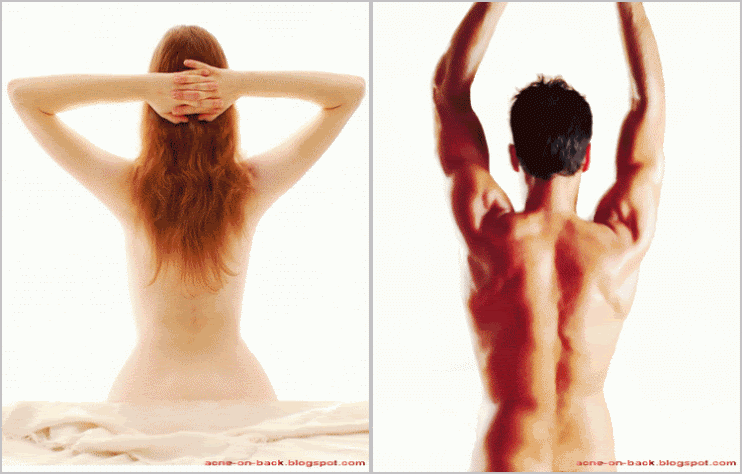 Being preoccupied with appearance, the acne on back sufferer usually have a negative self image, and may develop psychological problems.
Because the color, texture, and appearance of the skin, are important physical factors contributing to outer beauty; and when many people are more concerned with physical beauty, though inner beauty is more pleasing to the mind, real beauty would cease to matter. Needless to say that, it is not a person’s skin that makes them attractive but a combination of all the unique characteristics that they are.
The media, and television in particular, actively promote levels of attractiveness related to appearance and particular physical properties. Attractiveness has thus shaped people attitudes in favor of physical beauty in many life aspects, such as employment, social opportunities, friendship, s*xual behavior, and marriage. The media transmit messages concerning physical beauty, perfection and disfigurement, and usually offer suggestions and practical advice as to how the influence of these aspects can be reduced or altered. As they are promoting certain products, they are creating markets for advertisers at the same time. the media have propagated the idea that perfection is a normal thing in society and that those who are unattractive can easily gain this supposedly ‘normal’ appearance.
The concept of body image defined as our perception of the way that others see us, is therefore affected by any physical changes to the way that we look.
As acne develops in adolescence, a time when people are generally most sensitive about their appearance; symptoms such as depression or social anxiety reflect their real concern over body image.
The costs of treatment may also complicate the problem and can cause great distress.
The visibility of acne on back may attract attention in certain social situations, thus making the individual feel that they can’t keep their condition private or personal.The sufferer may find that some people react negatively towards them or treat them differently because of the way that they look.
Negative misconceptions about acne are still there; some people still think it is associated with a person’s inability to ‘properly take care of themselves or a lack of cleanliness and reactions to this can range from curiosity to rejection therefore, acne sufferers become socially withdrawn...to be continued.
Being preoccupied with appearance, the acne on back sufferer usually have a negative self image, and may develop psychological problems.
Because the color, texture, and appearance of the skin, are important physical factors contributing to outer beauty; and when many people are more concerned with physical beauty, though inner beauty is more pleasing to the mind, real beauty would cease to matter. Needless to say that, it is not a person’s skin that makes them attractive but a combination of all the unique characteristics that they are.
The media, and television in particular, actively promote levels of attractiveness related to appearance and particular physical properties. Attractiveness has thus shaped people attitudes in favor of physical beauty in many life aspects, such as employment, social opportunities, friendship, s*xual behavior, and marriage. The media transmit messages concerning physical beauty, perfection and disfigurement, and usually offer suggestions and practical advice as to how the influence of these aspects can be reduced or altered. As they are promoting certain products, they are creating markets for advertisers at the same time. the media have propagated the idea that perfection is a normal thing in society and that those who are unattractive can easily gain this supposedly ‘normal’ appearance.
The concept of body image defined as our perception of the way that others see us, is therefore affected by any physical changes to the way that we look.
As acne develops in adolescence, a time when people are generally most sensitive about their appearance; symptoms such as depression or social anxiety reflect their real concern over body image.
The costs of treatment may also complicate the problem and can cause great distress.
The visibility of acne on back may attract attention in certain social situations, thus making the individual feel that they can’t keep their condition private or personal.The sufferer may find that some people react negatively towards them or treat them differently because of the way that they look.
Negative misconceptions about acne are still there; some people still think it is associated with a person’s inability to ‘properly take care of themselves or a lack of cleanliness and reactions to this can range from curiosity to rejection therefore, acne sufferers become socially withdrawn...to be continued.
Sunday, July 6, 2008
 What are Acne causes?
